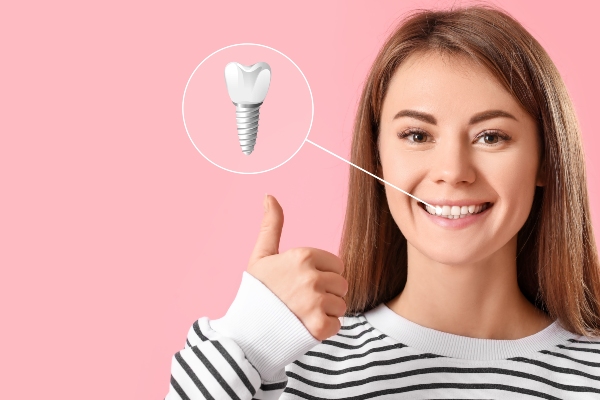
 Peri-implantitis is a painful condition that affects the dental implant site. If left untreated, the consequences are irreversible, so it is important to maintain a checkup schedule with an implant dentist. However, an implant dentist can save your implants, gum tissue, and jawbone without much hassle if caught in its early stages. This article will review everything to know about peri-implantitis and how our implant dentist can treat it.
Understanding the Implant Dentist’s Treatment Options for Peri-Implantitis
What is Peri-Implantitis?
Peri-implantitis is an inflammatory condition affecting the dental implant’s soft tissue and can lead to failure. There are three stages of this peri-implantitis:
Early stage
This stage is often called peri-implant mucositis. In this stage, the gums around the implant become inflamed, leading to bleeding and swelling. Minimal to no pain may be associated with this stage and reversible with oral hygiene improvements and antibiotics.
Progressive stage
In this stage, the inflammation has progressed, but there is no attachment loss. However, the patient may experience pain and see bone loss around the implant.
Advanced stage
In this stage, there is severe inflammation in the gums and bone, severe pain, puss around the implant site, significant bone loss, and a loose implant. The result of this stage is implant failure.
Peri-implantitis can be a result of numerous factors, including:
- Poor oral hygiene
- Bacteria and plaque build-up
- Smoking
- Poor nutrition that lacks vitamins
- Diabetes
- Poorly fitted or placed implants or restorations
Some factors are more common than others, and if caught early enough, peri-implantitis is reversible with certain treatments.
Treatments for Peri-Implantitis
There are three treatment options an implant dentist will use for peri-implantitis: mechanical debridement, chlorhexidine mouthwashes, or implant removal with the help of antibiotics to clear away stubborn infections.
For the early stages of peri-implantitis, the implant dentist will likely recommend a mechanical debridement and educate the patient on better oral hygiene habits. Mechanical debridement, sometimes called root scaling and planing, is done under local anesthesia using a handpiece with a diamond bur to remove plaque, calculus, and bacteria causing inflammation from around the implant and the bone surface.
The implant dentist may prescribe a chlorhexidine mouthwash as part of the treatment plan for any stage. Chlorhexidine is an antiseptic and antibacterial agent that cleans wounds and can help prevent the spread of plaque and bacteria in the mouth.
The implant dentist removes the implant and cleans the site if the patient is in the final (advanced) stage of peri-implantitis. This process will allow the patient’s body to heal before reattempting to place a new implant. Though healing times vary, the healing process can take up to six months.
Seek prompt care today
Peri-implantitis is a serious condition that can become irreversible if not treated promptly. Patients experiencing peri-implantitis need to see an implant dentist at least every six months to prevent any problems that could affect their implants. If you are experiencing signs of peri-implantitis, contact us today. Our team will schedule the first available appointment with our implant dentist to save your implants.
Request an appointment or call Naples Dental and Wellness Center at 239-963-2325 for an appointment in our Naples office.
Related Posts
Getting dental implants is a big step, and finding the right implant dentist is an important part of the process. Understanding what to expect before, during, and after the procedure can make the journey easier. Therefore, asking the right questions can help ensure the best outcome and a smooth experience.Not everyone is a good candidate…
Though dental implants are designed to be strong and long-lasting, they can still become damaged, but an implant dentist can assess the situation and provide the right solution. When you understand what causes implant damage, you can take steps to prevent it. Recognizing signs of a damaged implant and seeking prompt treatment is crucial to…
Dental implants function like natural tooth roots, providing a secure foundation for artificial teeth. An implant dentist follows a structured process to ensure the implant integrates properly with the jawbone, resulting in a functional and natural-looking restoration. Knowing what to expect at each stage of treatment can ease patient concerns and ensure proper preparation.The dental…